Best Filters for Landscape Photography That Enhance Shots
February 12, 2026

See how CPL, ND, and GND filters actually change your landscape shots—and learn how to use them (and refine the look in post) for cleaner light, richer color, and more natural depth.
The use of filters in landscape photography is sometimes mistakenly considered laziness or incompetence: the principle of “naturalness above all else” that is ingrained in people's minds is considered violated if the original frame is edited even slightly. The truth is that using the best filters for landscape photography enables the final image to match the emotional intensity that a person feels in nature.
Transforming the original frame with minor aids reveals hidden layers of the image, the richness of which was lost due to the flatness of a regular camera lens. This problem is acute even for high-end devices, so there is nothing wrong with emphasizing the texture of fog or the play of shadows on rocks by installing an interesting filter on your camera.
Skillful use of tools turns them into a predictable assistant whose results are easy to control. If the effect is too strong, you can always reduce the sliders during post-processing. In this article, we will look at the practical nuances of processing and give recommendations on choosing software for the most delicate and smooth correction of landscapes.
Advanced yet easy-to-use photo editor
Get Luminar Neo Now4 Filters to Elevate Landscape Photography
The choice of tools for final frame refinement should be based on maintaining a natural balance between light and shadow. Using optimal photo filters for editing greatly speeds up the workflow, providing a proven basis for subsequent spot retouching.
Circular Polarizer (CPL). Gets rid of any undesirable glare caused by water bodies and wet leaves, and replenishes colors and depth of objects in their real sense. A polarizer, however, doesn't paint over white spots as software does, reflecting only the bottom of the water body.
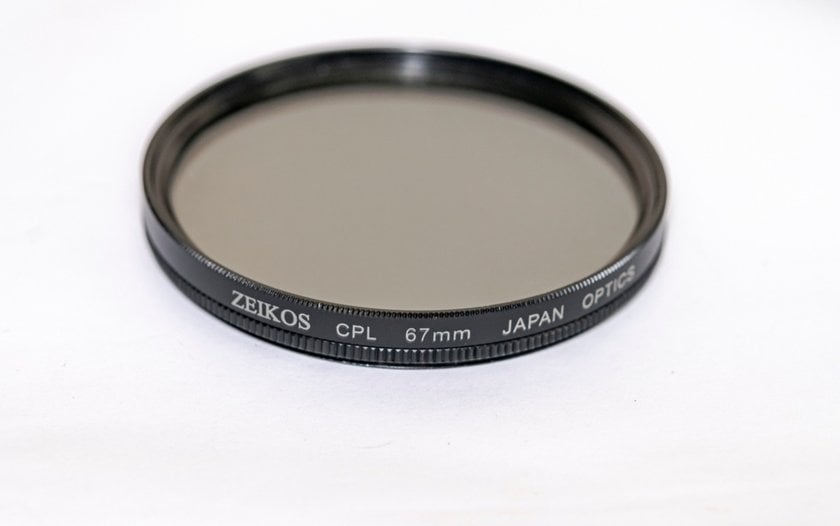
Neutral Density (ND). A device to minimize light flow, and thus allow it to work with ultra-long exposures even on a sunny day at midday. This frozen cloud or fog effect can only be achieved in this way without using software.
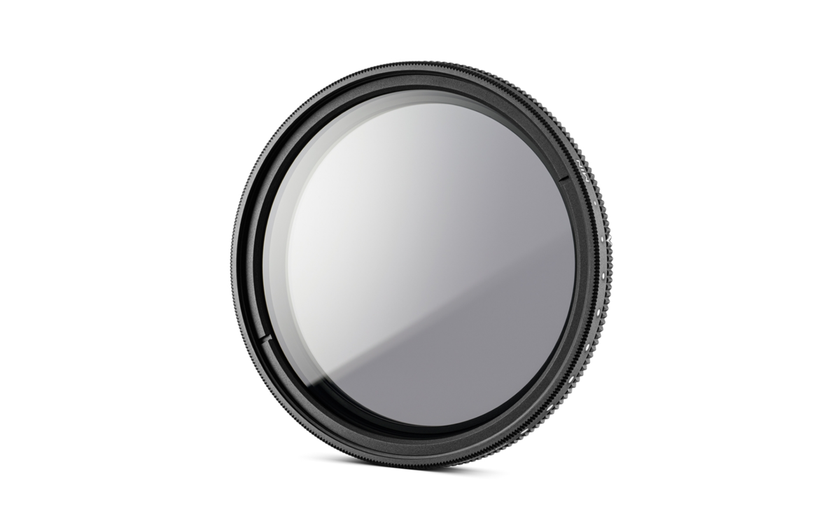
Graduated Neutral Density (GND). Correction of large differences in lighting between any sections of the scene with an apparent demarcation of light and shadow. With such a glass, you are able to record the entire dynamic range in one source file.
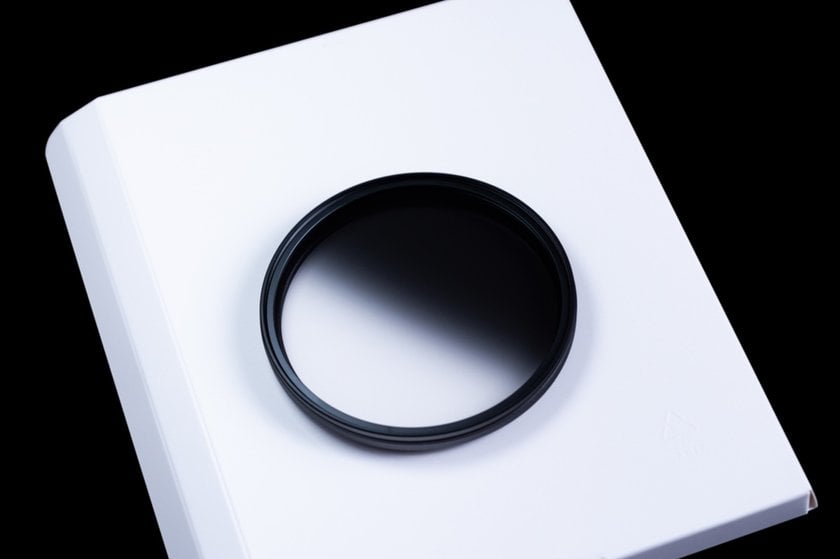
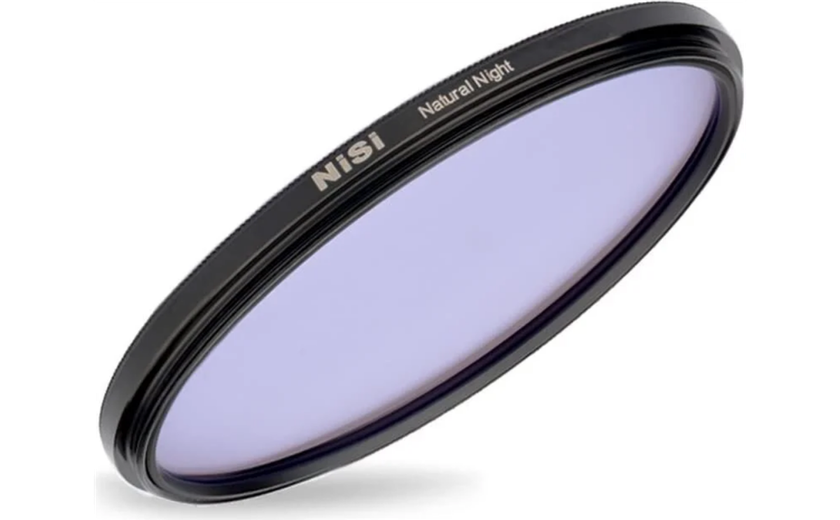
Natural Night Filters. This is one thing that night photography enthusiasts can't do away with. It prevents the light radiation of a narrow spectrum peculiar to the street lamps and the industrial light in the background, making the air smooth and transparent.
When these filters are used correctly, you have established the basis of technical quality so that you can concentrate on improving your image instead of having to re-use data that has been destroyed.
Neutral Density Filters and Their Benefits
 Neutral density filters in photo editors serve as a tool for reducing visual overload in a frame without changing its structure. These tools carefully balance the brightness between the sky and the ground, making it possible to preserve natural color transitions and the overall tone of the scene. When combined with a dehaze filter, this method creates the perfect balance: one restores transparency, while the other gently redistributes light to achieve the ideal composition.
Using landscape photography filters during shooting lays the foundation for a high-quality shot: it lets you balance the lighting and remove visual noise even before the file is recorded to the card. The optics effectively even out brightness differences, eliminating the need for laborious local masking in the editor later on. If all of the solutions described above are applied correctly, you will get a natural, high-quality image with minimal time investment!
Image Clarity and Color Accuracy
Physical filters solve the problem of detail loss during image capture by providing the sensor with the cleanest possible light signal. Optical removal of haze and glare avoids the digital “soap” that often appears when attempting to extract contrast from poor-quality source material using software. As a result, the use of filters for landscape photography preserves the ringing sharpness and natural depth that isn't possible when using post-processing methods alone.
Minimizing Lens Flare and Vignetting for Cleaner Shots
 To eliminate stray light and darkening at the edges of the frame, you need to use special tools that work with the geometry of the light flux. Thin Slim filters with a multi-layer light-transmitting coating (MRC/Nano) will ensure clear images. They don't physically cover the corners of the frame at a wide angle and suppress internal reflections.
To eliminate vignetting, use larger diameter filters with step-up rings, and to combat glare, always leave the lens hood on and avoid stacking multiple lenses on top of each other. A clean surface and blackened filter lens edges will help maintain contrast even in backlighting.
Achieving technical purity in a frame doesn't require AI intervention, as geometry and flare correction are based on classical optical mathematics. Manual adjustment of vignetting and black levels often gives more predictable results than automation, letting the photographer decide on the best filter for landscape photography in each specific scene.
Selecting the Right Polarizing Filters for Vibrant Landscapes
 Polarizing filters are an indispensable tool when working in bright daylight, enabling you to control reflections and increase the saturation of the sky. The best lens filter for landscape photography is extremely easy to use: the tool provides spot darkening of blue tones and improves local contrast, which visually restores the lost depth of the image.
Unlike software algorithms, the filter doesn’t simply “reveal” details, but actually eliminates atmospheric haze in the photo: the air will be transparent, and the sky will be rich blue with clearly defined clouds. With minimal effort, you can obtain a clean source image with high local contrast without the risk of digital noise, halos, or artifacts that would require retouching to correct.
Make skies, light, and textures work together
Start Editing Landscapes4 Real Tips for Using Filter Kits Effectively
 Proper use of landscape filters begins with abandoning the use of several small frames in favor of a single system based on step-up rings. The advantage of this approach is that it extends the filter boundaries beyond the lens's field of view, eliminating corner darkening and making it possible to combine polarizing neutral glass with dense glass in a single optical path.
Here are a few other rules that will help your work look more professional:
CPL priority. Always adjust the polarizer before installing dark glass, while there is still enough light in the viewfinder. Otherwise, you risk getting an unwanted gift in the form of serious glare.
Sealing the joints. Press the ND filters tightly against the first slot of the holder — this blocks light “leakage” that causes unsightly purple spots.
Movable gradient. Use soft or hard ND filters depending on the terrain for accurate sky darkening. An unsuitable tool will lead to undesirable results!
Shadow screen. When shooting against the sun, cover the top of the filters with a visor or your hand to avoid reflections between the glass.
To avoid loss of contrast, check the system for gaps: side light entering the space between the lens and the glass creates parasitic reflections and “lights up” the frame. In addition, consider rectangular systems as the best solution: they solve the problem of rigid layout, making it possible to freely shift the gradient to any relief without limiting the position of the horizon imposed by the central axis frame.
Advanced yet easy-to-use photo editor
Get Luminar Neo NowMain Features to Consider When Choosing Landscape Filters
 Choosing high-quality optics for landscape photography begins with evaluating the material and type of coating, as these parameters determine the clarity of the original frame. Optical glass with a multi-layer nano-coating (MRC) effectively suppresses internal reflections, providing a flawless technical foundation for working with AI sky replacement software. It enables accurate recognition of object boundaries by software algorithms: due to the high contrast of the original frame and the absence of parasitic glare obtained by physical means, AI can more easily separate objects and prioritize them.
The reliability of the design and the tightness of the fit in the grooves directly affect the clarity of the image, as any gaps lead to glare and loss of contrast. Sophisticated fastening mechanics with soft seals are the second thing to look for when choosing. The installation of dense, light-tight gaskets and a gap-free fit in the slots eliminates parasitic reflections, preserving the sharpness of small details in the landscape. Take the selection process seriously, and you will thank yourself later when using the product.
Improving Landscape Photography Quality: Is It All About Filters?
High-quality landscapes are the result of a photographer's ability to control light and frame geometry, with filters serving merely as tools for creative expression. Even glass with perfect density can't compensate for mistakes in the placement of objects in the frame or poorly chosen moments for shooting. The correct use of optics also creates the necessary basis for the final stage—post-processing, which delicately reveals the potential inherent in the image and brings the visual series to aesthetic perfection.