Shadow Photography Ideas To Explore
December 18, 2025

Light might get all the credit in photography, but the shadow is where you can really shape emotion. When you push it forward as your main visual tool, it adds structure, volume, and a hint of mystery that keeps people looking.
This is more than just tracing a subject’s shape—the goal is for the shadow itself to carry the narrative. In the next sections, you’ll explore how to take shadow pictures that look controlled and purposeful, rather than images that turned out too dark.
Why Shadows Matter in Photography
 Shadows affect the way we understand space, mood, and storytelling cues in a photograph. A plain doorway or staircase, or a portrait, can gain tension and interest when the contrast is intentional. Shadows handled with intent can make a flat scene feel three-dimensional, call attention to delicate textures, or reshape common objects into graphic forms.
At its core, shadow photography treats dark areas as active design elements within the composition. Working with shadows sharpens technical and creative skills. You start to notice how light direction, distance, and hardness affect edges and gradients. As you explore different shadow photography techniques, you learn to control emotional impact with smart adjustments.
Building a Foundation: Light, Contrast, and Exposure
Before designing more advanced shadow scenes, invest time in studying how light behaves and how your camera reads it. A basic command of contrast and exposure lets you control what the viewer sees and what disappears into darkness.
Understanding Hard vs. Soft Shadows
Shadows are affected by the light source's size and focus. Intense, direct lights, like midday sun or a bare bulb, make hard shadows. These shadows have defined borders and heavy contrast. Expect to notice sharp lines on the ground and things looking boldly cut out.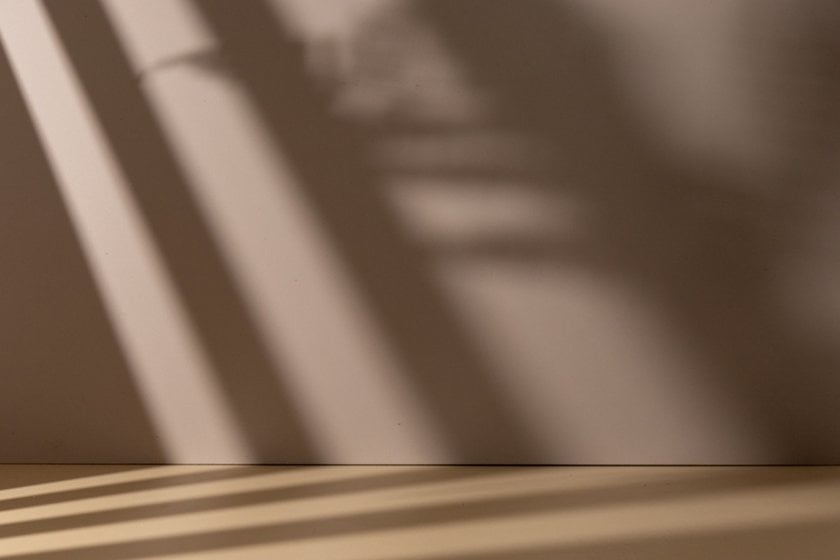
When the light gets bigger or filtered, shadows soften. An overcast day, a window with light fabric, or a diffused flash all scatter the light and give soft edges and a gentle fade between highlights and shadows. Once you spot the right kind of light, picking the mood for your photo becomes obvious.
Controlling Exposure for Powerful Shadows
 If you want shadows that look like they were on goal, try underexposing your shot a bit from what your camera recommends. Letting the meter expose for midtones tends to lift everything, weakening the contrast you actually want. Dialing in negative exposure compensation or manually pulling the exposure down keeps highlights in check and lets shadows stay rich and defined.
Watch your histogram while you do this. For shadow photography, a left-leaning histogram is expected since shadows are your creative focus. Check that your main highlights aren't clipped on the right edge. If the histogram is pressed against or cut off at the left edge, you're losing shadow detail. Dial in negative exposure compensation or manually reduce exposure to keep highlights controlled while letting shadows stay rich and defined.
Shadow Photography Ideas at Home
You can do a lot with shadows without even stepping outside. Plain surfaces, door frames, shelves, and plants all cast interesting shapes as light travels through your rooms. Lean into that, and shadow photography ideas at home will turn casual spaces into real sets. Here’s what you can do in the home setting with minimal props:
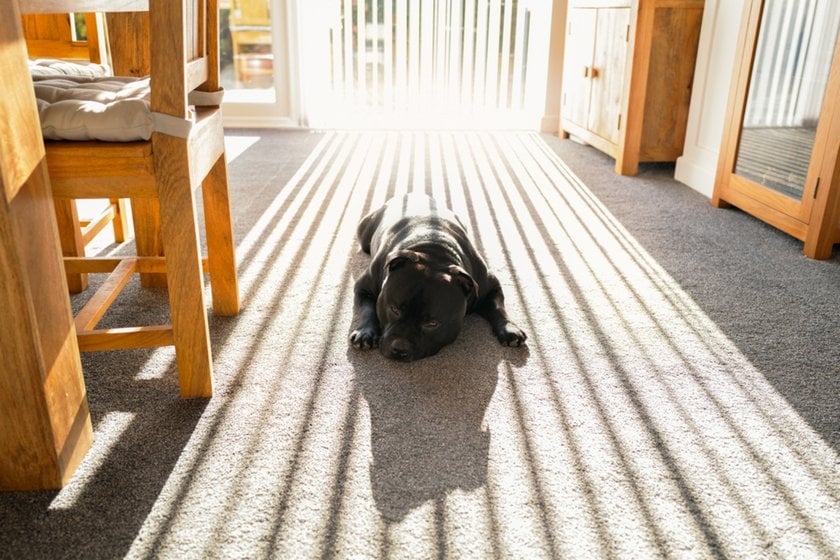
Window light, curtains, and blinds. Use direct sun through a window to cast strong patterns on walls, beds, or faces. Blinds, lace curtains, or plants on the sill break the light into stripes and textures that instantly make a simple scene more graphic.
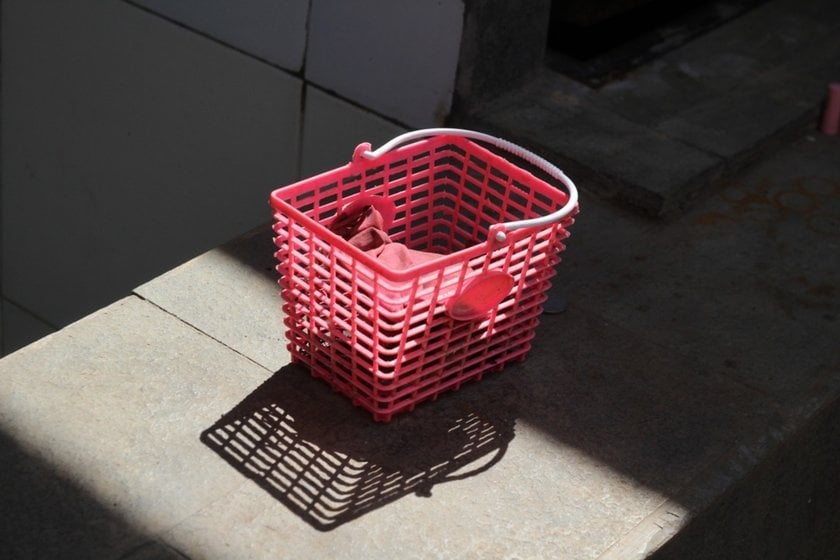
Everyday items as shadow makers. Hold or place objects like plants, kitchen tools, baskets, or toys close to the light source. Their shapes project onto nearby surfaces, giving you interesting outlines and textures to frame around.
Experiment with lamps, flashlights, and phones. Use only the lamp or the phone’s flashlight and move around. Watching a shadow rise on the wall, slide over the floor, or vanish is basically watching light at work—study and utilize this behavior.
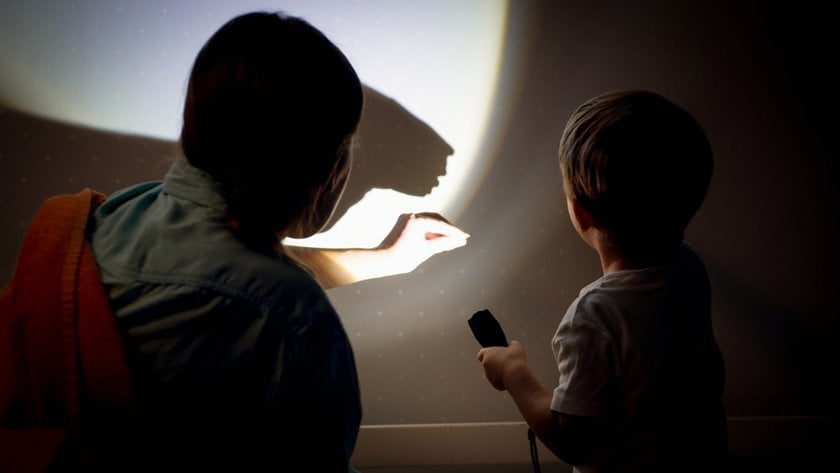
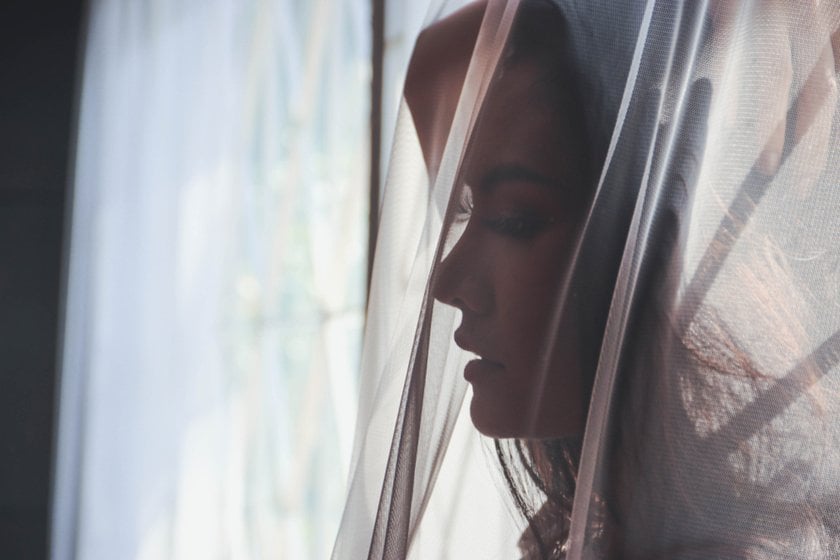
Silhouettes behind fabric. Hang a thin curtain and place your subject with a light source behind it. Photograph the ghostlike shapes of limbs, faces, or props as they press into the material. Strong backlighting makes shapes stand out and can remove shadows from the picture areas that would usually blur the edges.
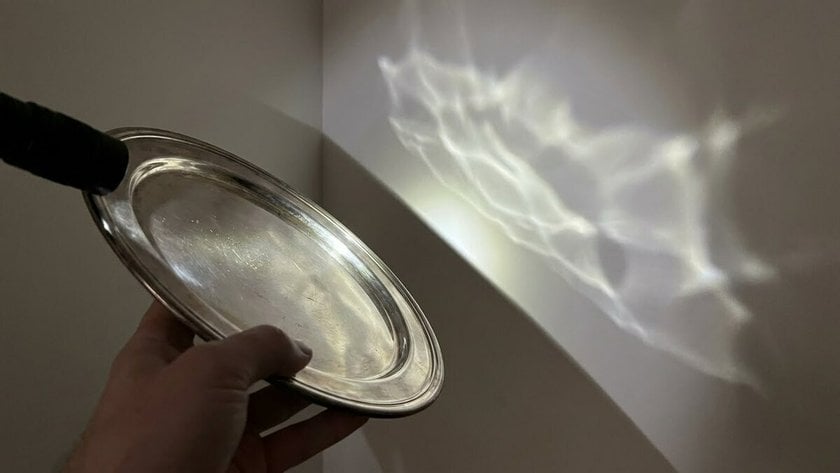
Mirrors and reflective surfaces. Bring in a mirror, a tray, or any polished metal. Direct the light onto that surface and let the reflection do the work on the wall. As you nudge or spin it, the shadow warps and shifts into interesting, distorted patterns.
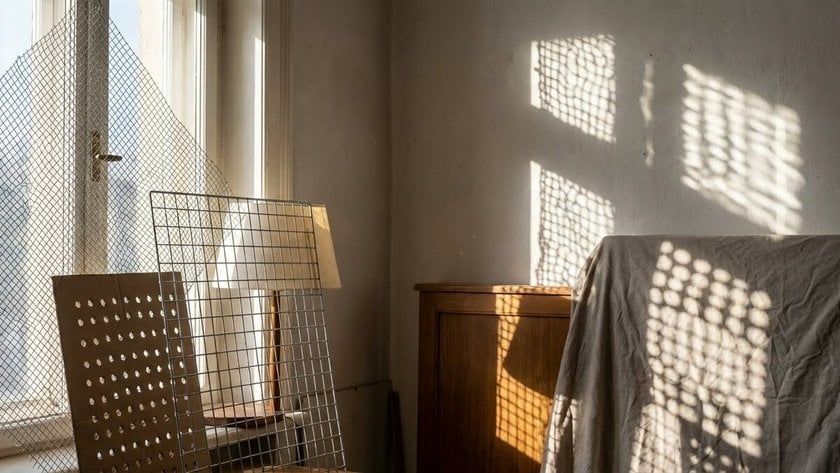
Add patterns. Put common items—a metal strainer, netting, or a piece of cardboard with holes—in front of a lamp or window. The light will cut through and project their shapes onto nearby surfaces. Play with the distance and angle to stretch, soften, or tighten those patterns.
Instead of shooting everything from eye level, move. Slide left or right, drop down, shoot from overhead, and experiment with zoom. Small shifts like that can reshape a basic setup into a stronger composition.
Conceptual Shadow Pictures Ideas
Concept-driven shadow pictures ideas go beyond pretty patterns and focus on meaning. You can use shadows to hint at identity, suggest presence without showing a face, or distort ordinary objects into something symbolic.
Identity and Mystery
 Shadows let you control what the audience sees. You might shoot a silhouette of a shadow on a wall, the dark outline of hands gripped around a cup or the long stretchy limbs of shadows sprinting down the street. Other people are left to imagine who they’re looking at.
Try layering in items—a coat on a hook, a bicycle, a brimmed hat, a bag. Their shapes in shadow hint at a full character, even though they never appear fully in the frame. The result feels personal without spelling everything out.
Abstract Patterns and Geometric Designs
 Abstract shadow photography takes familiar places and breaks them into shapes. Seek out repeating lines in railings, windows, blinds, staircases, and fences, and let their shadows draw on walls or floors. Rotate the camera, slice out most of the context, and frame only the overlaps of diagonals and curves. The result should feel more like a poster or illustration than a typical scene.
The Mismatched Reality
 Shoot a regular object on a clean surface—say, a bath toy or a small figurine—and give it a shadow that belongs to something far more dramatic, like a tool with sharp angles or a large animal shape added in post-processing. That contrast between the “real” object and “wrong” shadow adds surreal tension.
Shadow as Time Marker
 Pick a shadow that shifts slowly. Maybe the arm of a wall clock, the line from a sundial, or the edge of a window casting light across the room. Photograph its position at intervals, or blur the motion into one long exposure. You’ll end up with shadow photography examples where the shadow itself becomes a physical trace of time moving forward.
Narrative Shadow Photography
 Abstract work transforms real locations into unusual forms. Search for bold lines and repeating patterns in railings, window frames, blinds, stairwells, and fences, and watch how shadows change walls or floors. Angle the camera, crop parts tightly, and skip capturing the entire setting. Instead, zoom in on crossing lines, triangles, and bends.
Sometimes a great concept gets spoiled by a stray dark patch over a face or key detail. Learning how to remove shadow from a photo in post-processing lets you keep the idea while repairing distractions, like fading a heavy shadow that breaks the composition.
Making Shadows Work in Post-Processing
The shoot is all set up, and you have your photos, but there’s some more work to do. In fact, you have raw images that need smart and high-quality treatment. No matter if you own Luminar Neo, Photoshop, Lightroom, or any other photo editing software, you can apply the steps described below to your photo and get an even more spectacular result, close to your creative vision:
Set the base. Tweak exposure plus shadows, highlights, and contrast so the image feels dimensional. Check that the lightest tones stay controlled and the darkest areas don’t lose all texture.
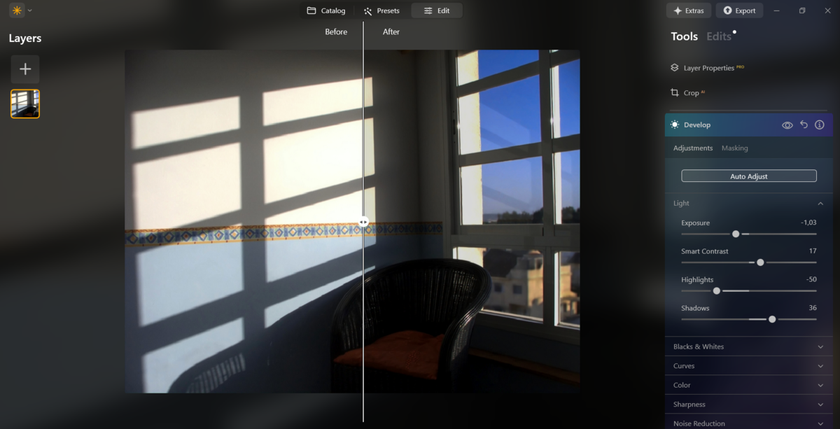
Control texture. Fine-tune sharpness so shadow areas keep structure instead of turning into noisy patches that pull attention away from your focal point.
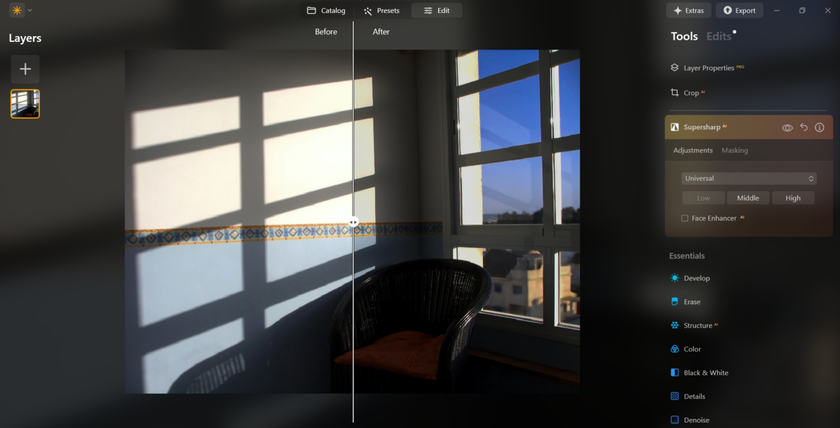
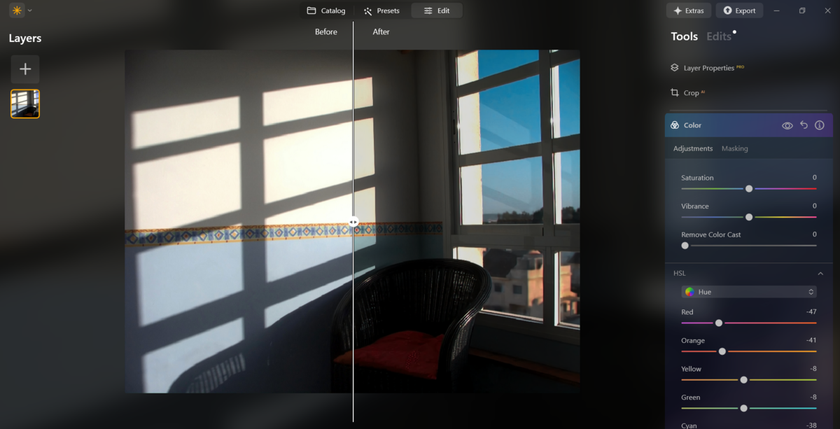
Refine the tone of your shadows. Adjust them with color wheels or split-toning so they stay clean or pick up a slight tint. The goal is to add depth and style while keeping the overall image believable, so the image doesn’t slide into that obviously overprocessed territory.
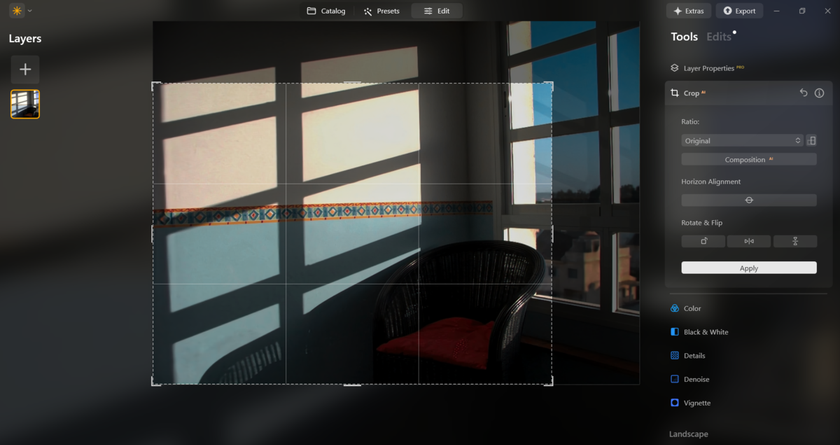
Utilize negative space. Trim the frame so your key shapes sit cleanly against large dark areas, turning “empty” zones into part of the design. With local darkening, you can also soften busy background elements so the primary shadow carries the scene.
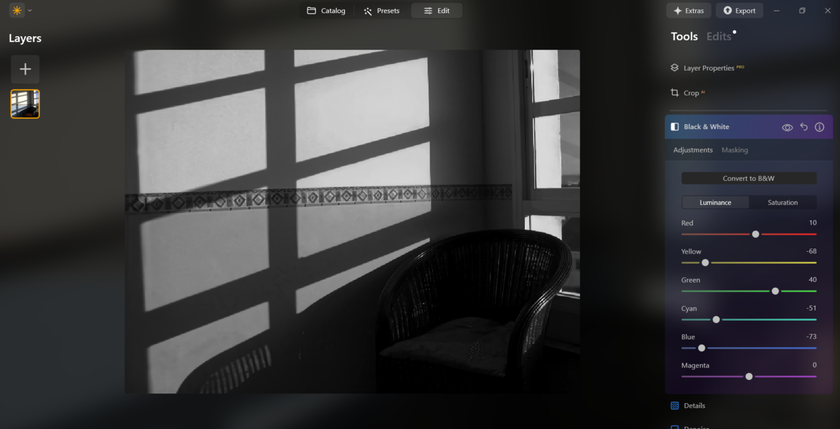
Go black and white. Shadow work is often strongest in black and white. Removing color strips away distraction and shifts the focus on the contrast between light and dark. Capture in color first, then convert in post for full control over each tone.
After capturing strong shadows, editing is where you decide how intense, gentle, or clean they should feel. A good editor lets you deepen contrast in some areas and recover detail in others, which helps make the image clearer and keep the balance between light and shadow under control.
Putting Theory into Practice
You can’t skip conquering light, but getting friendly with shadows is what real mastery is. It can be tricky, but also oddly fun, which compels you to view scenes from a new angle. As with any other skill, eventually you'll find that intuition replaces effort.
Work in small experiments instead of huge projects. Take one or two shadow photography tips, for example, revisiting a hallway at different hours, or arranging a tabletop scene with a lamp and a prop, and repeat them. Test something specific each round, like a new framing, a different exposure, or a fresh edit approach. Over time, a natural sense of how to build a shadow scene will get to you, so the shadow photographs look intriguing and tell a story.